
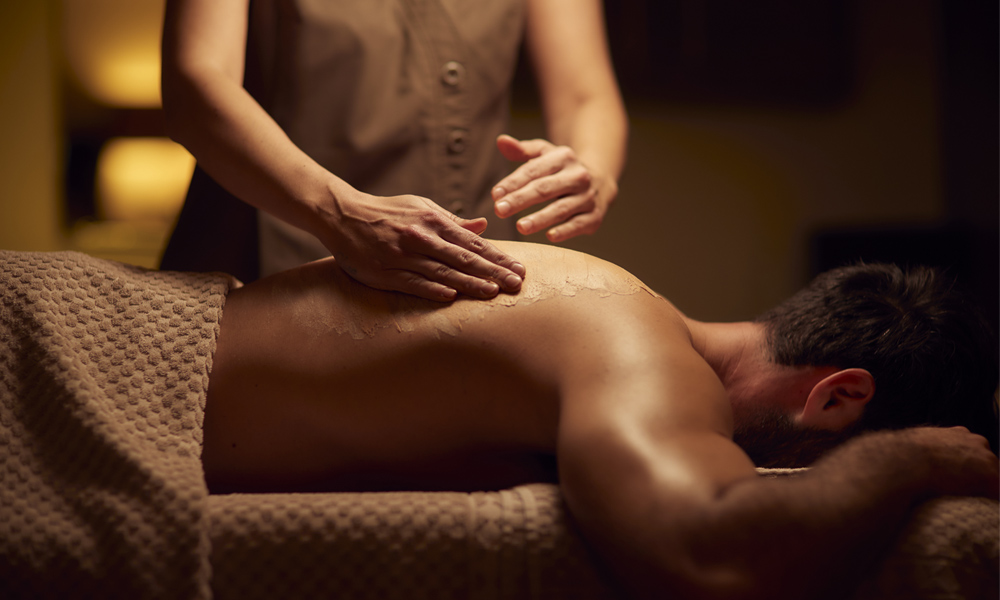
In recent years, the therapeutic benefits of massage therapy have extended beyond physical health to encompass mental and emotional well-being. Research has shown that massage can be an effective complementary treatment for managing symptoms of anxiety, depression, and stress. 방콕물집 This article explores the relationship between massage therapy and mental health, examining how therapeutic touch can ease anxiety and depression, promote relaxation, and improve overall emotional well-being.
- Understanding Anxiety and Depression
Anxiety and depression are common mental health disorders that can have a profound impact on a person’s quality of life. Anxiety is characterized by persistent feelings of worry, fear, and apprehension, while depression involves persistent feelings of sadness, hopelessness, and loss of interest in activities. Both conditions can significantly impair daily functioning and negatively affect relationships, work, and overall well-being.
- The Therapeutic Effects of Massage on Mental Health
Massage therapy offers a range of therapeutic effects that can benefit mental health:
Reduction of Stress Hormones: Massage therapy helps reduce levels of cortisol, the stress hormone, while increasing levels of serotonin and dopamine, neurotransmitters associated with feelings of relaxation and well-being.
Promotion of Relaxation: Massage therapy induces a state of deep relaxation by activating the parasympathetic nervous system, which helps counteract the body’s stress response and promote feelings of calmness and tranquility.
Release of Tension: Massage therapy helps release tension and tightness in the muscles, which are often associated with feelings of anxiety and stress. By relieving physical tension, massage can help alleviate psychological tension as well.
Improvement of Sleep Quality: Massage therapy has been shown to improve sleep quality by promoting relaxation, reducing anxiety, and alleviating insomnia. Better sleep quality can have a positive impact on overall mood and well-being.
- Massage Techniques for Anxiety and Depression
Several massage techniques can be particularly beneficial for managing symptoms of anxiety and depression:
Swedish Massage: Swedish massage involves long, flowing strokes, kneading, and gentle pressure, which promote relaxation and stress relief. It is an excellent choice for those seeking relief from anxiety and tension.
Aromatherapy Massage: Aromatherapy massage combines the benefits of massage therapy with the use of essential oils, which have been shown to have mood-enhancing properties. Essential oils such as lavender, chamomile, and bergamot are often used to promote relaxation and reduce anxiety.
Deep Tissue Massage: Deep tissue massage targets chronic tension and muscle tightness, which are often associated with stress and anxiety. By releasing tension in the muscles, deep tissue massage can help promote relaxation and alleviate symptoms of anxiety and depression.
- Considerations and Precautions
While massage therapy can be beneficial for managing anxiety and depression, it is essential to consider individual preferences and sensitivities:
Communication with the Massage Therapist: It is crucial to communicate openly with the massage therapist about any specific areas of tension, discomfort, or sensitivity. The massage therapist can tailor the treatment to meet individual needs and preferences.
Gradual Progression: For individuals with severe anxiety or depression, it may be beneficial to start with shorter massage sessions and gradually increase the duration and intensity as comfort levels allow.
Consultation with a Healthcare provider: Massage therapy should not be used as a substitute for professional mental health treatment. Individuals with severe anxiety or depression should consult with a healthcare provider to develop a comprehensive treatment plan that may include medication, therapy, and other interventions.
- Conclusion
Massage therapy offers a valuable complementary approach for managing symptoms of anxiety, depression, and stress. By promoting relaxation, reducing tension, and improving overall well-being, massage therapy can play an essential role in supporting mental health and enhancing quality of life. Whether used as part of a comprehensive treatment plan or as a standalone intervention, massage therapy offers a safe, non-invasive, and effective way to ease anxiety and depression and promote emotional well-being.
