
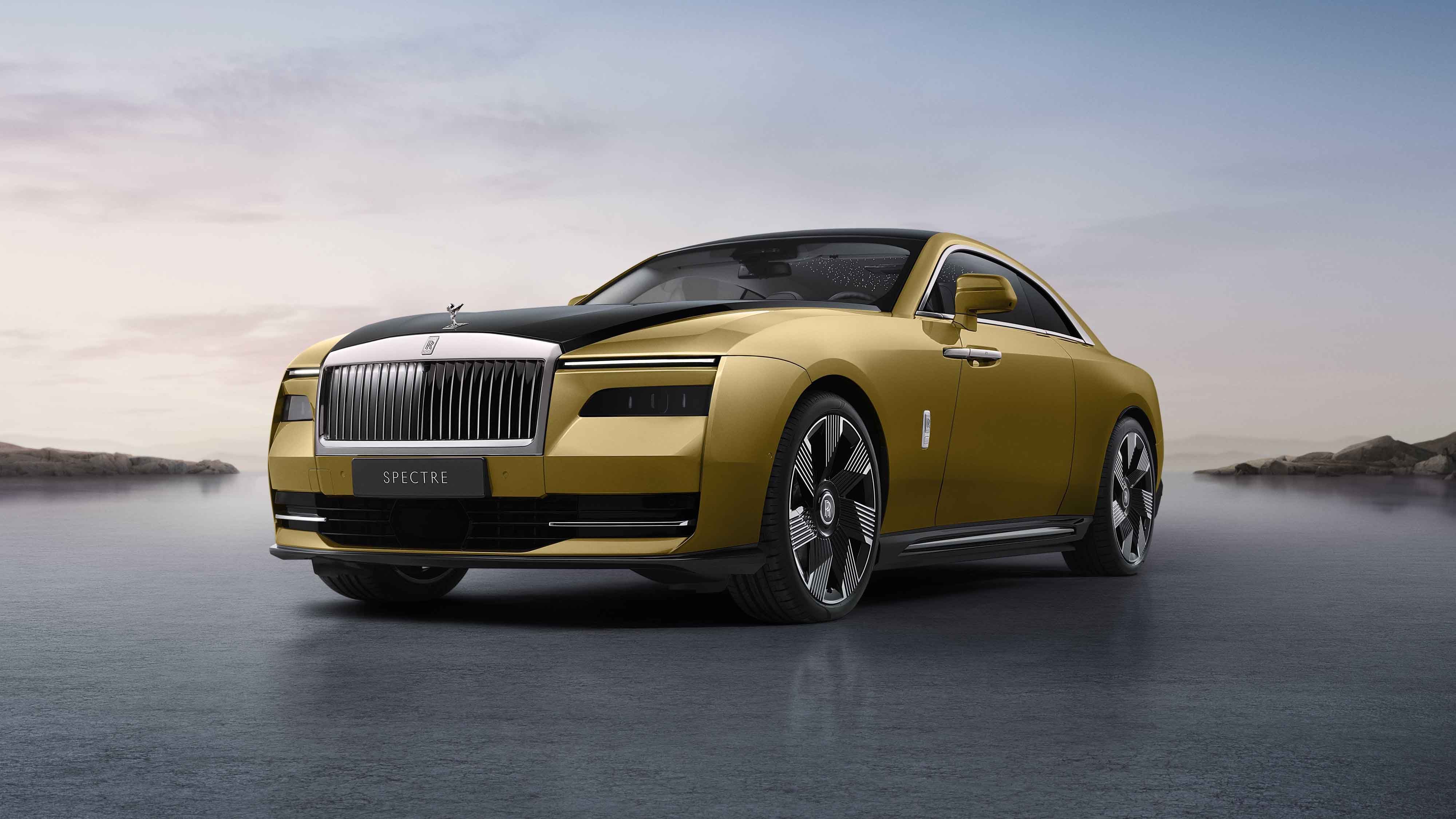
Luxury has long been synonymous with opulence, exclusivity, and refined craftsmanship. In the past, true luxury was defined by expensive fabrics, intricate designs, and limited-edition products that only a privileged few could afford. However, as society evolves, so does the notion of luxury. Today, luxury is no longer just about material wealth—it has transformed into a multifaceted lifestyle that values sustainability, personalization Luxury , and authentic experiences. This modern opulence reflects a shift in consumer priorities, blending timeless tradition with cutting-edge innovation.
One of the most profound changes in the luxury landscape is the emphasis on sustainability. As environmental concerns and ethical practices gain prominence, high-end brands are rethinking how they source materials, produce goods, and reduce their ecological footprints. Sustainable luxury means investing in eco-friendly practices—using recycled materials, committing to fair trade, and adopting energy-efficient production methods. These efforts are not merely a trend but a necessary evolution. Today’s consumers want to know that the products they buy contribute to a healthier planet and promote responsible stewardship of natural resources. As a result, many luxury brands now proudly display their sustainable credentials, proving that indulgence and environmental responsibility can coexist.
Personalization is another cornerstone of modern luxury. In an era of mass production and globalized markets, consumers increasingly seek unique products that speak to their individuality. Luxury is now about tailoring experiences to suit personal tastes, whether it’s through bespoke fashion, custom-made jewelry, or personalized travel itineraries. Brands are leveraging advanced technology—such as AI-driven design tools and virtual showrooms—to offer tailored products that are both exclusive and meaningful. This shift not only enhances the consumer experience but also creates a deeper emotional connection between the buyer and the brand, making each purchase a reflection of personal identity.
Digital innovation has also redefined the luxury experience. With the rise of e-commerce and digital platforms, luxury brands have had to adapt to a world where online presence is as important as physical storefronts. Virtual reality (VR) and augmented reality (AR) are now being used to create immersive shopping experiences that allow consumers to explore collections and customize products in real time. For instance, high-end fashion brands offer virtual runway shows and interactive lookbooks that bring their heritage and craftsmanship to life. These digital tools not only make luxury more accessible but also engage a tech-savvy audience eager to blend traditional elegance with modern convenience.
Cultural influences are shaping the contemporary luxury market in exciting ways. Globalization has led to a cross-pollination of styles and ideas, allowing luxury to emerge as a diverse, multifaceted concept. Today’s luxury consumers are drawn to products that celebrate heritage while incorporating innovative design elements from around the world. This fusion is evident in everything from fashion and art to architecture and culinary experiences. Luxury is no longer confined to a single style or region—it’s a vibrant tapestry that reflects the best of global creativity and cultural expression. As consumers become more discerning, they value brands that offer a unique blend of tradition and modernity, resulting in products that are both timeless and fresh.
Experiential luxury has also taken center stage. The modern luxury consumer is increasingly seeking memorable experiences over mere possessions. High-end travel, gourmet dining, exclusive events, and curated cultural experiences have become integral to the luxury lifestyle. These experiences offer more than just enjoyment—they create lasting memories and provide personal enrichment. For many, the ultimate luxury is not in owning an expensive item, but in enjoying an experience that touches the heart and soul, whether it’s a private concert by a renowned musician or a bespoke culinary journey curated by top chefs.
Despite these exciting developments, the modern luxury market faces its own set of challenges. Balancing exclusivity with inclusivity, and tradition with innovation, requires a delicate equilibrium. Luxury brands must stay true to their heritage while also embracing new technologies and shifting consumer values. They need to ensure that their products not only look exquisite but also embody ethical practices and sustainability. Maintaining this balance is essential for building long-term trust and loyalty among a new generation of luxury consumers who are as socially and environmentally conscious as they are discerning.
In conclusion, luxury in the 21st century is undergoing a significant transformation. It is no longer solely about the ostentatious display of wealth but is now defined by a commitment to sustainability, personalization, digital innovation, and global cultural fusion. Modern luxury represents a harmonious blend of timeless elegance and cutting-edge technology—a space where the heritage of the past meets the promise of the future. Whether through eco-friendly practices, bespoke experiences, or immersive digital platforms, the new era of luxury offers a rich, multifaceted experience that enriches our lives while making a positive impact on the world. As the landscape of luxury continues to evolve, it invites us all to embrace a more meaningful, responsible, and inspired way of living.
